
Harnessing Orbit Learning Academy for Impactful Teaching Strategies
- Kim
- 11 minutes ago
- 5 min read

Alright, buckle up because we’re diving into the wild, wonderful world of education with a twist. You know that feeling when your phone’s half-charged, your brain’s buzzing with ideas, and you’re trying to make sense of a million teaching methods? Yeah, that’s me right now. But here’s the deal: I’m about to slide into your DMs with some seriously practical, no-fluff insights on how to harness Orbit Learning Academy for impactful teaching strategies that actually work. Spoiler alert: it’s not about rigid lesson plans or drowning in jargon. It’s about clarity, flexibility, and making learning click for kids who don’t fit the usual mold.
Why Impactful Teaching Strategies Matter More Than Ever
Let’s get real. The old-school “sit still and memorize” approach? It’s about as useful as a screen door on a submarine. Kids today, especially those who are neurodivergent or just plain unique, need something that respects their brain’s wiring. Impactful teaching strategies are like the secret sauce that turns chaos into clarity. They help educators and parents create learning environments where kids feel seen, understood, and empowered.
Think of it like this: teaching without impact is like throwing spaghetti at the wall and hoping it sticks. Impactful strategies are the recipe that makes sure the pasta lands right where it’s supposed to. On the plate, not the floor.
Here’s what makes these strategies stand out:
Flexibility: Because no two brains are alike.
Developmental accuracy: Teaching that matches where the kid actually is, not where the curriculum says they should be.
Neurodivergent-friendly: Embracing different ways of thinking and learning.
Secular and brain-based: Grounded in science, not dogma.
If you’re juggling microschools, pods, hybrid programs, or home learning, these strategies are your new best friend.
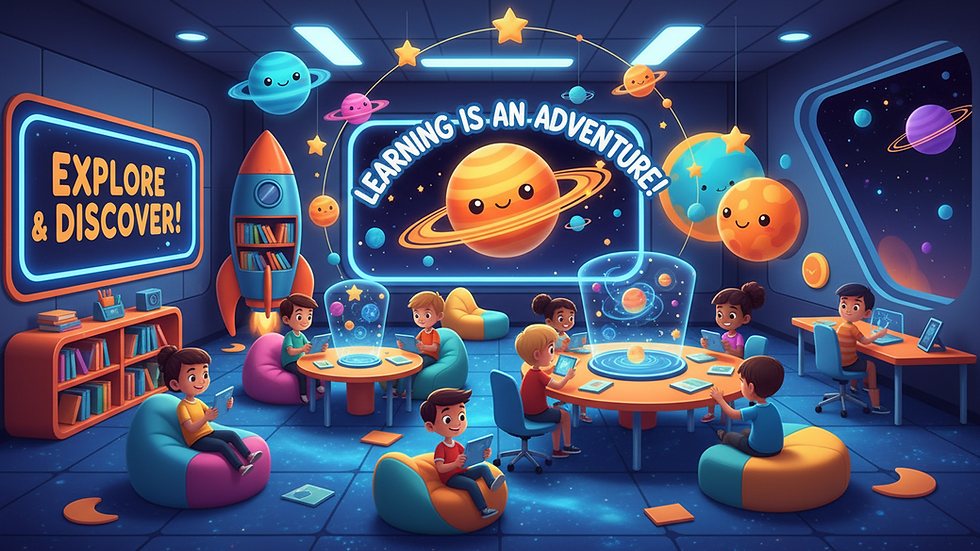
Impactful Teaching Strategies That Actually Work
Okay, now that we’re on the same page about why impactful teaching strategies matter, let’s talk about what they look like in action. Spoiler: it’s not rocket science, but it does require a mindset shift.
1. Structure Without Rigidity
Imagine a playground where the swings are set up, but kids can choose to climb, slide, or just hang out. That’s the vibe you want in your learning space. Structure gives kids a safe framework, but flexibility lets them explore within it. This means:
Clear routines that kids can predict.
Choice in how they engage with material.
Opportunities to move and take breaks.
2. Multi-Age Group Learning
Why limit learning to strict age brackets? When you mix ages, you get natural mentorship, collaboration, and a richer learning environment. Older kids reinforce their knowledge by teaching younger ones, and younger kids get inspired by their peers.
3. Brain-Based Learning
This is where the magic happens. Teaching that respects how the brain develops and processes information. For example:
Using visuals and hands-on activities for kids who struggle with verbal instructions.
Breaking lessons into bite-sized chunks to avoid overwhelm.
Incorporating movement to boost focus and retention.
4. Neurodivergent-Friendly Approaches
This means ditching the “one size fits all” mindset. Instead, you:
Adapt lessons to sensory needs.
Use clear, human language instead of jargon.
Celebrate different ways of thinking as strengths.
5. Autonomy and Choice
Kids learn best when they feel in control. Giving them options about what, how, and when they learn builds confidence and motivation.
6. Real-World Connections
Learning isn’t just about textbooks. It’s about connecting ideas to life. Whether it’s cooking to learn fractions or gardening to understand biology, real-world applications make lessons stick.
If you’re wondering how to pull all this off without losing your mind, here’s a little secret: sometimes you just have to shuttle up and teach. Trust me, it’s a game-changer.

What Does "Teach Up" Mean?
Alright, let’s unpack this phrase because it sounds like a secret handshake in the education world. “Teach up” is all about raising the bar, not by pushing kids into stress, but by meeting them where they are and gently nudging them toward their potential.
It’s not about drilling facts or cramming information. It’s about:
Encouraging critical thinking.
Asking open-ended questions.
Challenging kids to explain their reasoning.
Building on their existing knowledge.
Think of it like climbing a ladder. You don’t throw someone to the top rung and hope for the best. You help them step up one rung at a time, making sure they’re steady before moving on.
“Teach up” also means respecting the child’s pace and style. It’s a dance, not a sprint. When done right, it builds resilience and a love of learning that lasts.
Practical Tips for Mission Captains Ready to Level Up
So, you’re ready to take these ideas and run with them? Here’s a quick toolkit to get you started:
Create a Flexible Schedule
Build routines but leave wiggle room. For example, have a morning circle but let kids choose their next activity.
Use Visual Schedules and Timers
These help kids anticipate transitions and manage time without anxiety.
Incorporate Movement Breaks
Even five minutes of stretching or jumping jacks can reset focus.
Design Multi-Age Projects
Try a garden, a cooking project, or a science experiment that involves different age groups working together.
Ask Open-Ended Questions
Instead of “What’s 2+2?” try “How can we figure out how many apples we need for everyone?”
Celebrate Mistakes
Make it clear that errors are part of learning, not failures.
Use Clear, Simple Language
Avoid jargon. Talk like you’re explaining to a curious friend.
Adapt Materials
Use tactile, visual, and auditory resources to meet diverse needs.
Encourage Autonomy
Let kids pick topics or projects that interest them.
10. Reflect and Adjust
Regularly check in with kids to see what’s working and what’s not.
Remember, this isn’t about perfection. It’s about progress and connection.
The Future of Learning: A Brain-Based, Flexible Framework
Here’s the kicker: education is evolving, and the old models just don’t cut it anymore. The future belongs to frameworks that are brain-based, secular, and neurodivergent-friendly. These systems teach kids and empower them.
Imagine a world where every child feels understood, where learning adapts to their unique brain, and where educators have the tools to guide without suffocating. That’s the dream, and it’s closer than you think.
By embracing impactful teaching strategies and tools like shuttle up and teach, you’re not just surviving the chaos. You’re thriving in it. You’re building a legacy of learning that outlasts trends and fads.
So, next time you feel overwhelmed, remember: it’s okay to be a little chaotic, a little playful, and a lot human. Because that’s where the real magic happens.

There you have it. A roadmap to teaching that’s as dynamic and brilliant as the kids you’re guiding. Now go forth, Mission Captain, and make some magic happen.


Comments